9 minute readModality deep-divePublished May 6, 2026
Integration is the deliberate work of translating insights and emotional releases from a non-ordinary state into the shape of daily life. The ceremony is the catalyst. The integration decides whether anything changes.
On this page
Integration is the deliberate work of translating insights, emotional releases, or unresolved material from a non-ordinary state into the ongoing shape of daily life. It is the part most seekers underestimate, the part most facilitators are not trained to hold, and the part that decides whether anything changes after the ceremony ends.
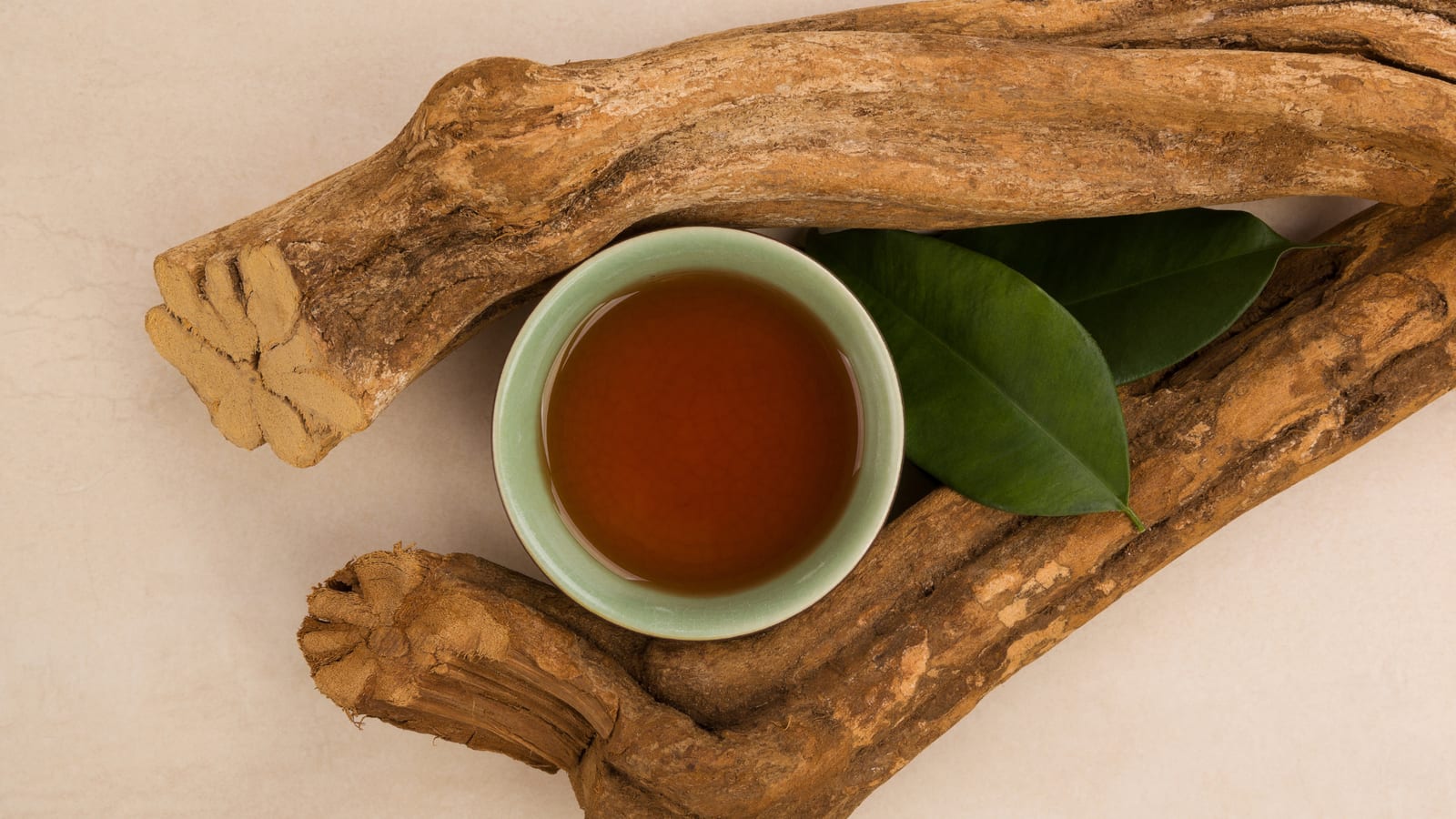
Every year more people fly to Costa Rica, Peru, the Netherlands, or Mexico, or join an underground circle in their own city, to sit with one of the plant medicines. Most spend more time deciding which retreat to attend than they spend integrating what happened afterward. That ratio is the wrong way around. The ceremony is the catalyst. The integration is the work.
This piece is for seekers who have already sat with one of these medicines, who are considering doing so, or who are watching someone close to them work through the aftermath. It treats integration as the central question and the ceremony as the supporting one.
What integration actually is, and what it isn't
Integration is structured time. Most often it means weeks or months of work with a trained integration coach or psychedelic-aware therapist, paired with journaling, somatic processing, deliberate lifestyle adjustment, and in many cases ongoing psychotherapy. The word covers a wide range of practices, but they share a single quality: deliberate attention paid to material the experience opened, until that material settles into the rest of life.
Integration is not a single follow-up call with the facilitator who held the ceremony. It is not posting a beautifully edited reflection on Instagram. It is not "feeling really inspired for two weeks and then going back to ordinary life." Each of those is a partial gesture. None of them is the work.
Said plainly, the ceremony is a doorway. Integration is what you do with the room you walked into.
Why the ceremony alone isn't enough
Non-ordinary states open material. Buried memories, emotional content held in the body for years, perceptual shifts, sometimes confronting trauma that has been waiting for the conditions to surface. The medicines are good at opening. They are not designed to close.
Without integration, the material that surfaced can move in several directions, and few of them are useful.
It can resurface unprocessed weeks or months after the ceremony, often when the seeker is no longer in a contained setting and no longer expects it. It can calcify into spiritual bypassing, where insights become a way to avoid responsibility rather than meet it. It can collapse into "the experience was beautiful but my life hasn't changed," which is the most common failure mode and the saddest. In a smaller number of cases, particularly where there is latent vulnerability to psychosis or dissociation, it can trigger longer-term destabilization that needs clinical support.
None of these outcomes is a sign the medicine was wrong. They are signs the integration was missing. Somatic processing in particular tends to be central, because trauma material often surfaces in the body before it surfaces in narrative. Our piece on the somatic modalities names the lineages that tend to do this work most cleanly.
What integration looks like in practice
Integration is not a single timeline. It moves through phases, and each phase has its own register.
The first 72 hours
Rest, hydration, low stimulation, no major decisions. The nervous system is still settling. Gentle journaling helps, less to record what happened than to start finding language. Avoid major conversations about the experience until you have your own first words for it. Many seekers feel an early urge to make a public reflection, quit a job, end a relationship, or commit to a major change. Those impulses are real signals worth examining later, but they are not yet decisions. The first three days are for landing.
Week one and week two
The first meeting with an integration practitioner usually happens here. The seeker begins to articulate what came up, and very often discovers that the experience continues to unfold, releasing additional material as the body and mind catch up. This is when patterns that were not visible during the ceremony become visible afterward. Sleep is sometimes disrupted in this window. Emotional sensitivity runs higher than usual. Both are normal and both are useful information for integration sessions.
Month one through month three
The seeker begins to identify the changes the experience pointed toward and to act on them. Resistance begins to show up, because old patterns reassert themselves and the new direction has to compete with established habits. Most of the durable work happens here. Weekly sessions are still common. The temptation in this phase is to declare the work finished prematurely, since the acute material has usually softened. The seekers who later describe lasting change almost all kept showing up past the point where they thought they were done.
Month three and onward
Long-arc integration. By this point the dramatic material has usually settled, and the work becomes about embodying what the experience pointed toward. Often this involves psychotherapy, ongoing somatic work, lifestyle changes, sometimes a return to a contemplative or movement practice that becomes the daily home for whatever was opened. The frequency of formal sessions usually drops, but the practice continues. This is the phase where the difference between a peak experience and a changed life is decided.
The gap between insight and embodiment is where integration lives, and where most ceremonies quietly come apart.
The shape varies, but the pattern holds. Acute integration covers the first three months. Long-arc integration covers the first one to three years. The seekers who report durable change almost always describe a structured plan across both windows, not a single magical conversation in the week after the ceremony.
Integration modalities that work
There is no single modality that integrates plant medicine experience. The strongest practices borrow from several.
Talk therapy with a psychedelic-aware therapist is a growing specialty and often the central spine of an integration plan. Somatic Experiencing and Hakomi, both detailed in our piece on somatic therapy, are particularly effective when the experience surfaced trauma material in the body. Internal Family Systems work fits well with the parts language many seekers come back from ceremony already speaking, since the medicines often surface internal voices and figures that IFS already has a vocabulary for meeting. Group integration circles, when properly facilitated by a trained therapist or counsellor rather than the original ceremony leader, can offer something private one-on-one work cannot, particularly the recognition that other seekers are working with similar material in different lives.
Surrounding the formal sessions, a personal integration practice tends to include some combination of journaling, art, contemplative practice, time in nature, and a slower relationship to commitments and obligations. None of these substitutes for the clinical work, but together they make space for it. A sustained meditation or breathwork practice, started or resumed during the months after a ceremony, is one of the more reliable signs that integration is taking root in daily life rather than only in scheduled sessions.
How to find an integration practitioner
The vetting standards for integration are higher than for almost any other modality, because the material is potent and the consequences of being held badly are real.
Look for a licensed mental-health credential first. LCSW, LMFT, psychologist, MD, registered counsellor in their jurisdiction. The licence is not a guarantee of skill, but it is a floor of training, supervision, and accountability that pure-coaching certifications cannot match.
On top of the licence, look for psychedelic-specific training. The most established lineages today include programs from MAPS, Fluence, Polaris Insight Center, the Compass Pathways-affiliated training, the California Institute of Integral Studies certificate program, and a small number of others. The exact program matters less than the presence of one. A psychedelic-aware therapist without psychedelic-specific training will miss patterns a trained one will catch immediately.
Avoid practitioners who position themselves as gurus, channels, or sole authorities on the medicine. Avoid practitioners whose recommendation for any difficulty is another ceremony. Avoid practitioners who cannot tell you who they refer to when something is outside their scope. The capacity to refer is itself a credential.
For the broader framing on how to choose any holistic practitioner, including red flags and questions to ask on a discovery call, our piece on how to choose a practitioner covers the full vetting process. For seekers who would rather not run that filter alone, the spiritual concierge model is exactly the layer that does the filtering for you.
The ethical and legal landscape
Most plant medicines remain illegal in most jurisdictions. This piece is not legal advice and not a recommendation to participate in illegal activity.
Where ceremonies are legal, the legal frame still does not remove the need for integration. Ayahuasca is permitted within syncretic religious contexts in Brazil. Psilocybin truffles are legal in the Netherlands. Oregon and Colorado have moved psilocybin into regulated supervised settings. Mexico permits various plants in indigenous contexts under specific protections. In each of these settings, integration support is part of the standard of care, not an optional extra.
Where ceremonies are not legal, the absence of regulation often means the absence of screening, aftercare, and accountability. In those settings, integration support afterward becomes more important, not less, because the experience may have happened without the safeguards a regulated setting builds in. Seekers in this category often need to source integration support entirely outside the network that hosted the ceremony.
There is a parallel ethical question that integration practitioners take seriously and that seekers should as well. Many of these medicines come from indigenous traditions that have been working with them for centuries or millennia. Reciprocity to source communities, respect for the protocols of the traditions, and care to avoid extracting practices for personal gain are part of ethical engagement, not separate from it. A practitioner who treats this question as decoration is showing you something about how they treat the rest of the work.
Questions, gently answered
Read next
Modality deep-dive
Hypnotherapy, demystified: clinical practice past the stage hypnosis cliché
9 minute read
Modality deep-dive
Reiki, explained: a Japanese practice with a clear lineage
8 minute read
Modality deep-dive
Sound healing, demystified: ancient practice, modern science, and Instagram
9 minute read
